




Photo Credit: phanat/Shutterstock
Owning an electric vehicle has its benefits, one of which is never having to go to the gas station to refuel. But if you live in an area with underdeveloped infrastructure, there’s a good chance you’re going to have to install a home EV charger so you don’t end up having to look for a nearby public charger. Not only is having an EV charger at home convenient so you can charge anytime you want, you’ll also never have to worry about waiting in line if public chargers are all being occupied.
If you’re shopping for a car charger, you have probably realized a standard wall outlet just doesn’t cut it. Home chargers aren’t exactly inexpensive, but they’re worth the investment. You can also check for available rebates, tax credits, and other incentives in your area for installing a home EV charger.
There are a few factors to take into consideration when choosing the right charger. For starters, is your vehicle a plug-in hybrid or a battery-electric vehicle? A plug-in like the Chevrolet Volt doesn’t necessarily need an expensive charger, as opposed to fully electric vehicles like the Chevrolet Bolt or Nissan Leaf. Don’t spend more than you have to, especially if you’re charging a plug-in hybrid.
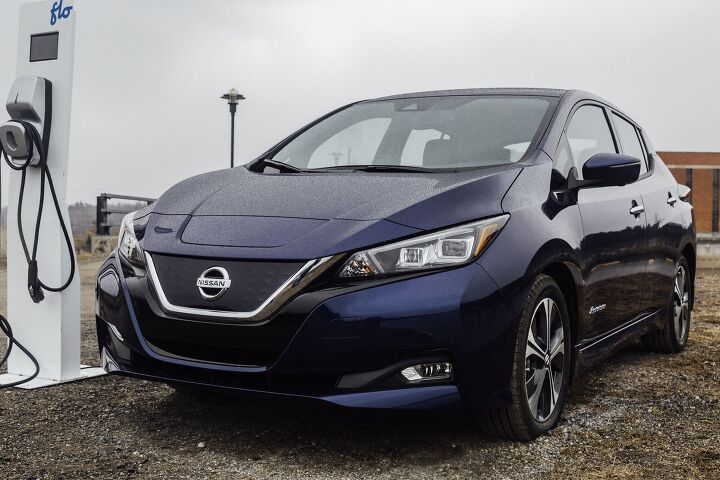
Next, you’ll need to determine whether you want a Level 1 or a Level 2 charger. Level 2 chargers do the job quicker than Level 1 chargers, but often require a different power outlet that you may not already have available in your household. Some chargers are hardwired, while others can simply be plugged in. Decide whether you want a plug-and-play solution or a charger that requires professional installation from an electrician.
Lastly, if you aren’t installing your charger inside a garage, make sure to purchase one that is durable when exposed to sun, wind, and water. You’ll want to make sure the charger you’re purchasing is outdoor rated.
Updated 07/29/2020 with new product recommendations.
Table of contents
- 1. Editor's Pick: JuiceBox Pro 40 with JuiceNet
- 2. Siemens VersiCharge Home Charger
- 3. Bosch Level 2 EV Charger
- 4. ChargePoint Home Flex WiFi Enabled EV Charger
- 5. Zencar Portable EV Charger
- 6. Duosida Level 2 Portable EV Charger
- 7. MUSTART Level 2 Portable EV Charger
- 8. ClipperCreek HCS-40 EV Charging Station
- 9. Jekayla Level 2 Portable EV Charger
- 10. EVoCharge Level 2 EV Charger
- Everything You Need to Know About Home EV Chargers
- Do I Really Need One?
- Level 1 vs. Level 2
- Hardwired vs. Plug-in
- What to Look For in a Home EV Charger
- Additional Features of Home EV Chargers
1. Editor's Pick: JuiceBox Pro 40 with JuiceNet

Built in the U.S., the JuiceBox Pro 40 is a high-power, 10kW charging station and can be installed indoors or outdoors. It comes with a feature called JuiceNet, which is a full app for web-based control of scheduling, energy metering, notifications, and LED charging light indicators. The app is also compatible with Amazon Echo and Alexa, allowing for voice control.
Available in two versions, the JuiceBox Pro 40 can either be hardwired or plugged into a 14-50R outlet. There are available adapters for it to work with a dryer, RV-type or regular wall outlet as well. Each charger features sturdy aluminum and a waterproof enclosure.
Designed to charge all electrified vehicles, the charger uses the industry-standard J1772 charge protocol and comes with a 24-foot output cable with the attached J1772 plug. On the other end is a 15-foot input cable with a standard NEMA 14-50 plug. Helping make the station somewhat portable is an aluminum quick-release bracket.
Measuring 10 inches by 6 inches by 3.5 inches, the JuiceBox Pro 40 is one of the smallest EV charging stations currently available.
2. Siemens VersiCharge Home Charger

The Siemens VersiCharge is available in three models: Hardwire, Universal, and Smart Grid. The Hardwire model is the most affordable of the three, but must be directly wired into your electrical panel for indoor applications. The Universal model is the VersiCharge’s best value offering, as a plug-and-play solution that can work indoors and outdoors. Lastly, the Smart Grid is like the Universal model in that it’s plug-and-play, but also is a WiFi connected charger so you can use an iOS or Android app to remotely control the charger.
All three chargers have a power output of 240V x 30A, which equals 7.2 kW. The Hardwire version comes with a 14-foot cable, while the Universal and Smart Grid models feature a 20-foot cable. Since it is a Level 2 charger, it offers approximately four times faster charging than Level 1, and works with all J1772 complying cars as well as Tesla vehicles using Tesla’s charging adapter. Regardless of the model you choose, you’ll need a two-pole, 40A circuit breaker. The charger measures 14.5-inches wide by 16-inches tall by 6.5-inches deep.
Manufactured in California, the Siemens charger also offers flexible control with pause and 2/4/6/8-hour delay functions accessible from the front of the charger, although the delayed charging may not work for all vehicles. It includes a mounting bracket, charging cable, and NEMA 6-50 plug for the Universal and Smart Grid models. One of the biggest benefits to this charger is that it comes with an industry-leading three-year warranty.

3. Bosch Level 2 EV Charger

A well-respected brand in the automotive industry, Bosch offers a Level 2 EV charger, but it’s one of the most expensive on the market. It features a compact and sleek design and charges any vehicle meeting the J1772 standard. Bosch’s charging stations are cUL and UL listed and meet or exceed NEC 625, as well as having a weather-resistant NEMA 3R enclosure for indoor and outdoor use.
This charger can only be hardwired, so it’s something to keep in mind if you’re shopping for a plug-and-play solution. It does have an on/off switch for zero energy consumption when it’s not being used. It is available in three different configurations, a 16-amp version with a 12-foot cable, a 30-amp version with an 18-foot cable, and a 30-amp version with a 25-foot cable.
The rear of the station is beveled so it can serve as a cord wrap, while a front plug keeps the connector free of dirt and debris. LED indicator lights are located on the front to let you know if the vehicle is charging or fully charged, and when it is active.
4. ChargePoint Home Flex WiFi Enabled EV Charger

If you have ever used public charging, there’s a chance you have come across a charger from ChargePoint. The company’s home charger is WiFi-enabled and is available in either hardwired or plug-in versions with your choice of a NEMA 14-50 plug or a NEMA 6-50 plug. Both options feature a 23-foot long cable. Like the JuiceBox, the ChargePoint home charger works with Alexa, which means you can control it remotely an Alexa device.
The app allows you to schedule charging when electricity is cheapest, as well as set reminders so you never forget to plug in your vehicle.
This recommendation is a Level 2 charger that can charge up to 50 amps, adding up to 37 miles of range per hour on most electrified vehicles. The plug-in station can be set to charge at 16 amps to 50 amps, giving you control based on your home’s electrical supply. This is a UL-listed charger, so you know it’s been designed and built for electrical safety, as well as being Energy Star certified. The company provides a 3-year warranty and 24/7 customer support with the charger.
5. Zencar Portable EV Charger

A more affordable portable charger comes from Zencar. It’s available with a wide assortment of plugs, including a Level 1 version if you don’t need a long-range charge and just want to use a standard power outlet. The L14-30, NEMA 6-20, 10-30, and 14-30 plug versions are all 16-amp Level 2 chargers, while the NEMA 14-50 can have its current adjusted from 16 amp to 24 amp to 32 amp.
Its cable measures 25-feet long and the charger features leakage protection, overheat protection, overcurrent protection, and overvoltage protection. It is also IP55 waterproof, lightning-proof, and flame resistant.
This portable EV charger comes with a 24-month warranty and lifetime hassle-free tech support.
6. Duosida Level 2 Portable EV Charger

If you’re looking for something more portable, there is the Duosida Level 2 portable electric vehicle charger. It’s a 240-volt, 16-amp charger and comes with a NEMA 6-20p plug on its 28-foot charge cord. That means you just need a 220- or 240-volt NEMA 6-20 outlet to plug the charger into for charging. It also can be used as a Level 1 charger when plugged into a 110-volt outlet using an adapter.
The Duosida Level 2 portable charger is IP65 waterproof, lightning-proof, and flame-resistant, while offering overvoltage protection, overcurrent protection, overheat protection, and leakage protection.
The charger uses a standard J1772 charging protocol and is UL listed. It does come with a one-year warranty, which isn’t as good as some of the other chargers on this list that offer three-year warranties.
Keep in mind since this is a 16-amp charger, it won’t charge quite as quickly as other more powerful chargers. Expect it to be about three times quicker than a standard Level 1 charger.
7. MUSTART Level 2 Portable EV Charger

Another portable charging option is the MUSTART Level 2 portable EV charger. Available with different plug options—NEMA 10-30, NEMA 14-30, NEMA 6-50, NEMA 14-50, and NEMA 10-50—this charger offers up to four times faster charging than a standard 16A Level 1 EV charger. Charging speeds depends on which product you choose, since this charger is available in 26-amp, 32-amp, and 40-amp options.
MUSTART includes a two-year warranty with the charger, which includes a 25-foot charging cable. The company also throws in a handy carrying bag and hook, so you can easily take the charger on the go or have it stay put inside your garage.
8. ClipperCreek HCS-40 EV Charging Station

The HCS-40 from ClipperCreek is another charger made in America and is a Level 2 station. It offers 32 amps of power (7.7kW) and is a hardwired charger that works indoors or outdoors. It is ETL listed so it has met the requirements of widely accepted product safety standards for EV charging stations, along with being in a rugged, fully sealed NEMA 4 enclosure.
Measuring 9 inches by 19.7 inches by 5.3 inches, the ClipperCreek HCS-40 comes with a 25-foot charging cable, a wall mount J1772 connector holster, and a lockable SAE J1772 connector with lock and keys included. When the charger isn’t being used, the charging cord can be stored with an integrated cable wrap.
This charger comes with a three-year warranty.
9. Jekayla Level 2 Portable EV Charger

The final portable EV charger we’ll take a look at is the Jekayla Level 2, 40-amp charger. Since it is a 40-amp (9.6 kW) charger, it can charge about 2.5-times faster than the other 16-amp portable chargers, but it does require a NEMA 14-50R socket. It is IP65 waterproof so it can be used outdoors and comes with a carrying case and one-year warranty.
It’s priced similarly to the NEMA 14-50 version of Zencar’s charger, but is quicker at charging thanks to its 40-amp current. The charging cable on this unit is 16.4-feet long.
Although it does use the industry standard J1772 plug, some users report that in some vehicles it’s very snug, making it cumbersome to insert or remove the charger.

10. EVoCharge Level 2 EV Charger

A U.S.-based company located in California, EVoCharge’s Level 2 charger is fully compatible with all electric vehicles and plug-in hybrid electric vehicles sold in the U.S. and Canada. This charger offers maximum 7.68kW charging, meaning it charges up to 8 times faster than a standard AC Level 1 charger. It delivers an estimated 25 to 35 miles of range per hour of charging.
It’s an easy to install home EV charger with a standard NEMA 6-50 plug and comes with a universal mounting bracket for wall mounting, as well as post mount or the ability to mount to any other structure. It supports multiple current ratings (20A, 30A, 40A) so you can adjust the maximum output current (16A, 24A, 32A). The charger is NEMA 4 outdoor and indoor rated and can also be hardwired.
Everything You Need to Know About Home EV Chargers

Photo Credit: lOvE lOvE/Shutterstock
Electric vehicle (EV) chargers are actually a bit of a misnomer. That’s because your EV charger is actually onboard the vehicle, taking the AC source from your “wall charger” and converting it to DC, so your car’s battery pack can be recharged. It’s also the reason why they’re officially called Electric Vehicle Service Equipment (EVSE), although they’re widely known as a charger since it just makes more sense.
Essentially, when you’re shopping for a home EV charger, you’re actually looking for an EVSE that can safely recharge your car. This guide aims to explain everything you need to know about home EV chargers before you invest hundreds of dollars into one.
Do I Really Need One?
At the end of the day, that’s a question only you can answer. But here are a few things to guide you on your way to finding the right answer.
First, do you own a plug-in hybrid electric vehicle (PHEV) or a battery-electric vehicle (BEV)? Most PHEVs, like the Chevrolet Volt, don’t have a very long range, which means they only need a couple hours to fully charge when using a Level 2 charger. Some PHEVs may even recharge their entire range using a standard 110-volt Level 1 charger, which means you wouldn’t need to install anything fancy or expensive to fully charge your car each night.
But if you do own an all-electric vehicle, chances are a Level 1 charger won’t completely do the job overnight. Depending on how much range you use each day, you may need to turn to public charging if you don’t have a charger at home. The question you then have to ask is, how convenient is public charging? Do you have public chargers near your home or even at your work? Do they have long lines?
Having a Level 2 charger at your home is the most convenient option if you own a BEV, but they aren’t cheap – especially if you need it professionally installed. Ideally, you purchase a charger that will last you years, one that you can even use for future new car purchases.
Level 1 vs. Level 2
As their names suggest, Level 2 chargers are able to recharge your electrified vehicles quicker than a Level 1 charger. In the most basic sense, Level 1 chargers use a standard power outlet that you can find around your house. They’re typically very slow, giving you around 3 to 4 miles per hour. But that may be enough depending on how much you drive per day, or if you own a PHEV. If you can also plug in while at work, that may be enough to cover you for your daily commute.
For most electric vehicle owners, however, you’ll want a Level 2 charger at home. This often means needing a 240-volt outlet, similar to what an electric dryer or an oven uses. Not all households will have an outlet ready to go, which means you will need one professionally installed. Level 2 chargers also come in a variety of charging speeds, so pay close attention when choosing one for your home.
If you’re looking at public charging, most public Level 2 chargers max out at 6.6 kW, which is around 24 to 26 miles per hour. You can get more than that from some Level 2 home chargers.

Hardwired vs. Plug-in
You may notice once you start shopping for chargers that many of them are available as a hardwire option, which means it doesn’t plug into an outlet. If possible, avoid hardwired chargers and instead, pay an electrician to setup the correct plug for your charger. The biggest benefit is if you ever have to move the charger, you can do so easily. Typically, it costs about the same to have someone either professionally hardwire a charger or install the correct outlet, so get an outlet if you can.
One thing to note, local code may require some outdoor chargers to be hardwired. Make sure you check your local requirements before purchasing a charger if you need to have it hardwired.
What to Look For in a Home EV Charger

Generally, when you’re shopping for a home EV charger, you’ll want to look at its amperage to determine how much range you will get per hour. It’s recommended to purchase a charger that can handle at least 30 amps, even if your vehicle can’t take full advantage of it. There’s a good chance you’ll eventually upgrade your EV to a newer model, and purchasing the right charger now helps future proof the investment. Pay close attention to the circuit breaker rating that is necessary for your charger, and whether you will be able to accommodate that in your electrical panel.
You also need to determine whether you will be installing your charger indoors or outdoors. If you don’t have a garage, make sure the charger you’re purchasing is rated for outdoor use.
There are also portable EV chargers available that don’t require you to install an actual “station” in your garage or outdoors. You’re normally trading performance for convenience when going with a portable charger, but for many, it’s worth it. Sometimes it’s just simpler to plug something into a wall outlet and then into your car.
Some chargers will also be UL- or ETL-listed, which means they have met the requirements of widely accepted product safety standards for EVSEs. If you want to be certain a charger is safe to use, look for the UL or ETL logo.
Lastly, check with your local electric utility company to see if there are any rebates or incentives available for installing a charger at home. You may be able to get back some of the cost for your charger through a rebate.
Additional Features of Home EV Chargers
In a connected age, it’s little surprise some EV chargers come with WiFi capability. These chargers allow you to download an app onto your smartphone so that you can remotely control the charger. Features include the ability to schedule charging, energy metering, and more. There are even chargers that are compatible with Amazon’s Alexa, so you could use voice commands through any Alexa device such as an Echo Dot.
Keep in mind that typically your charger will likely be installed in an area that your home WiFi may not reach. Keep that in mind if you plan on investing into a WiFi-enabled charger, and make sure your wireless network has a strong enough signal to reach wherever you plan on installing the charger.
Other chargers may offer you the ability to set when to charge without having to use WiFi and an app. It’s a nice feature to have, allowing you to plug in your car and have it charge during off peak hours, when electricity may be cheaper. The scheduling feature may not work for all vehicles, so make sure to check with the manufacturer or look at reviews to see if your car is compatible.
We are committed to finding, researching, and recommending the best products. We earn commissions from purchases you make using the retail links in our product reviews. Learn more about how this works.